Vehicle PCs for Automotive Plant Logistics: Zero Run Case Study
Ramping up a new vehicle plant means the logistics process has to be right from day one. Zero Run needed a forklift solution that combined intelligence, high efficiency and high reliability as it laid out a new factory – not a pilot that would have to be replaced a year later.
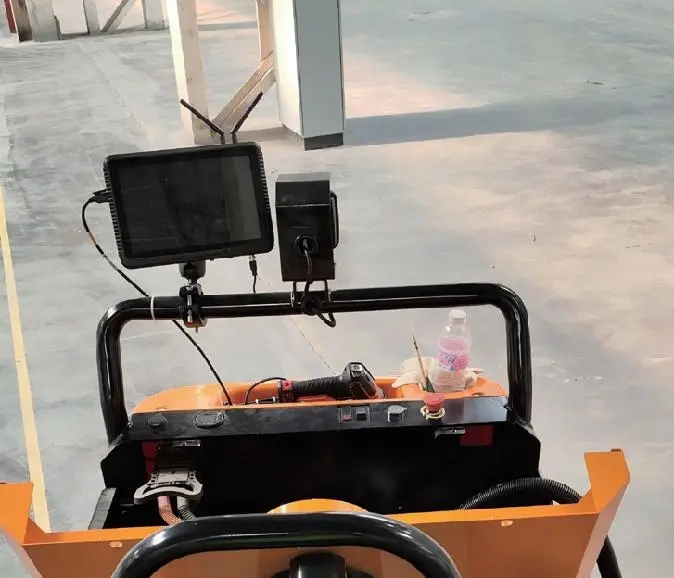
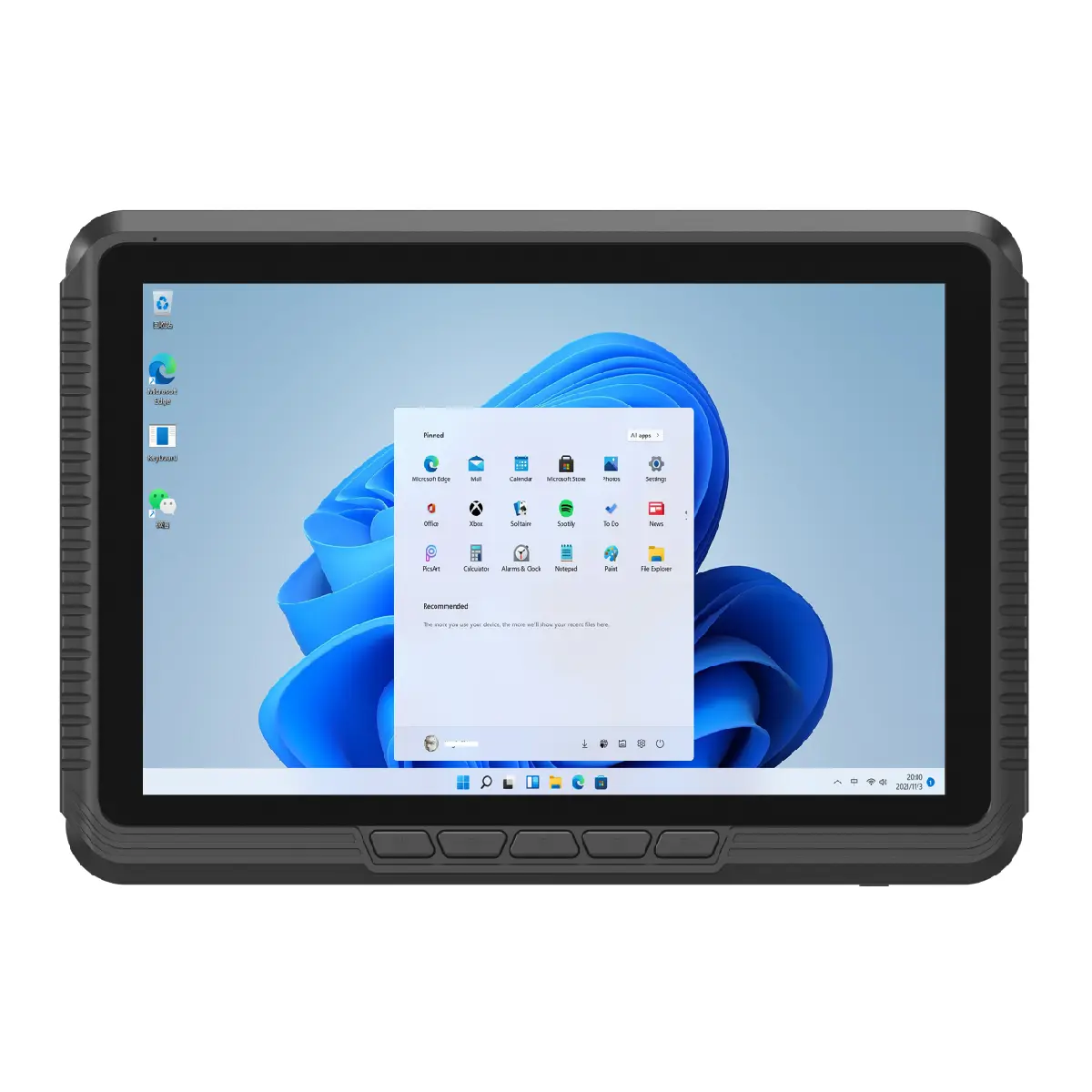
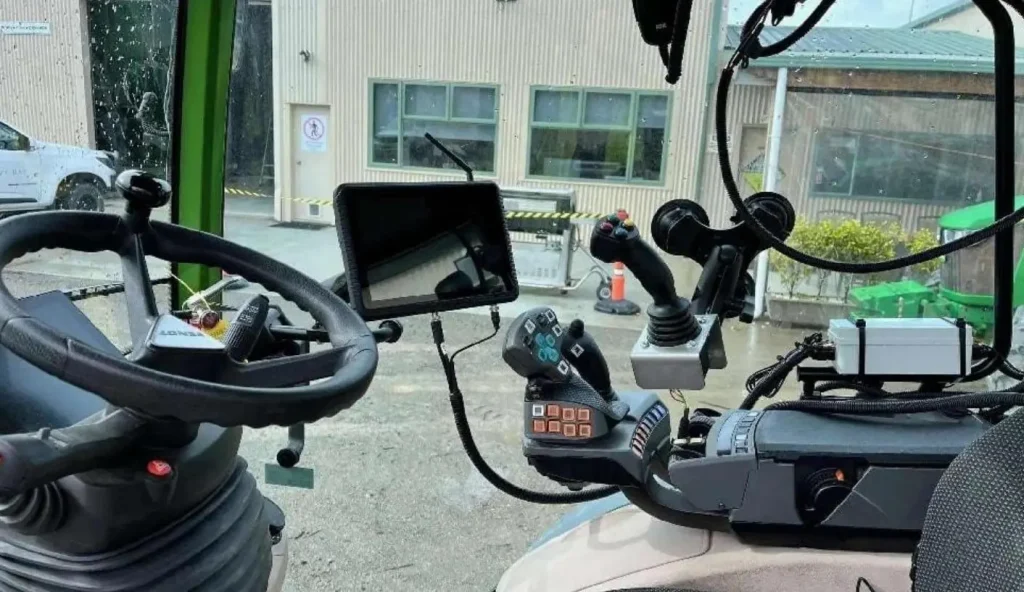
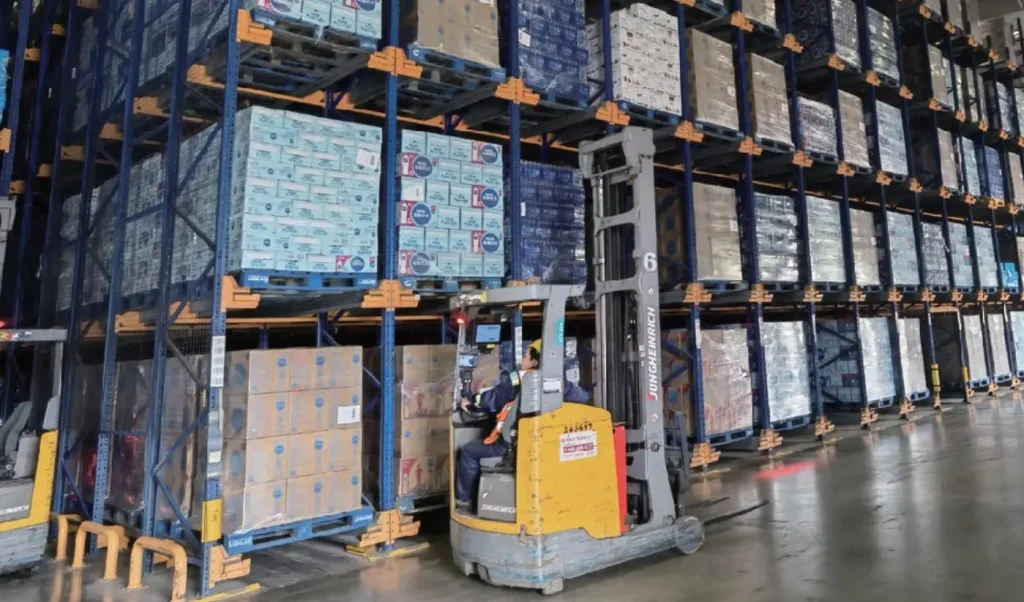
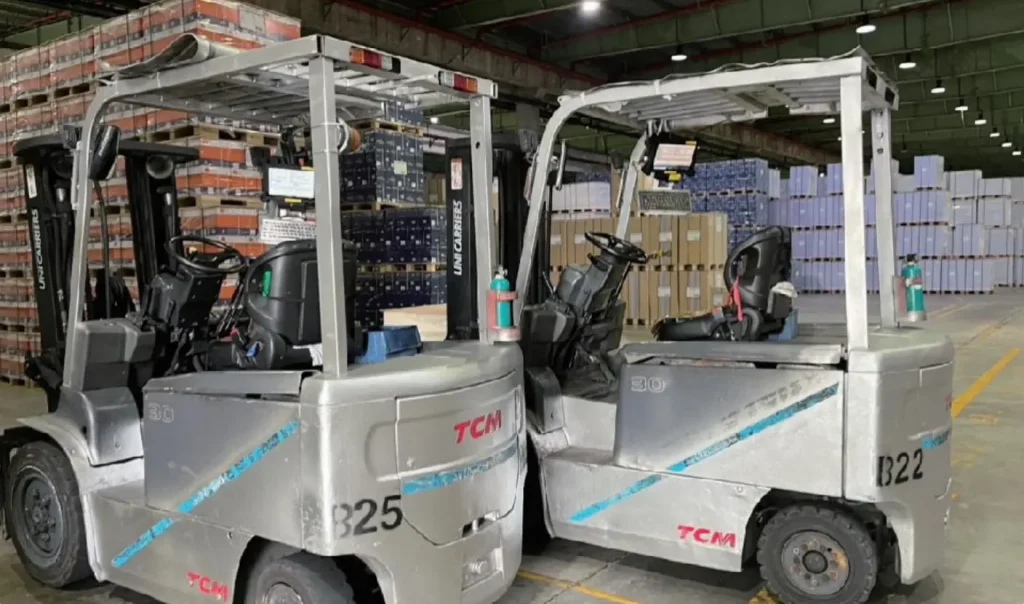
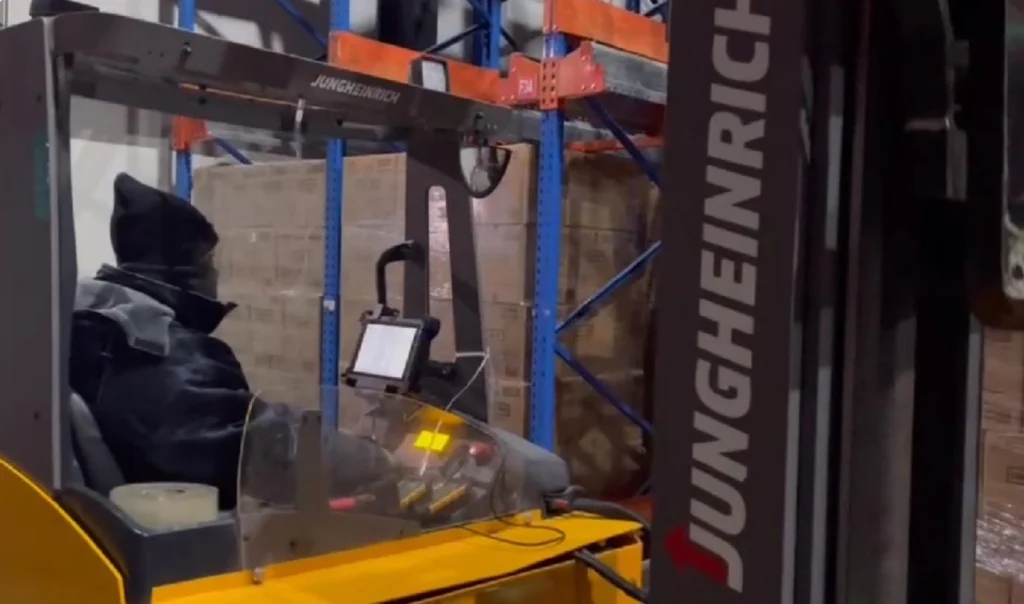
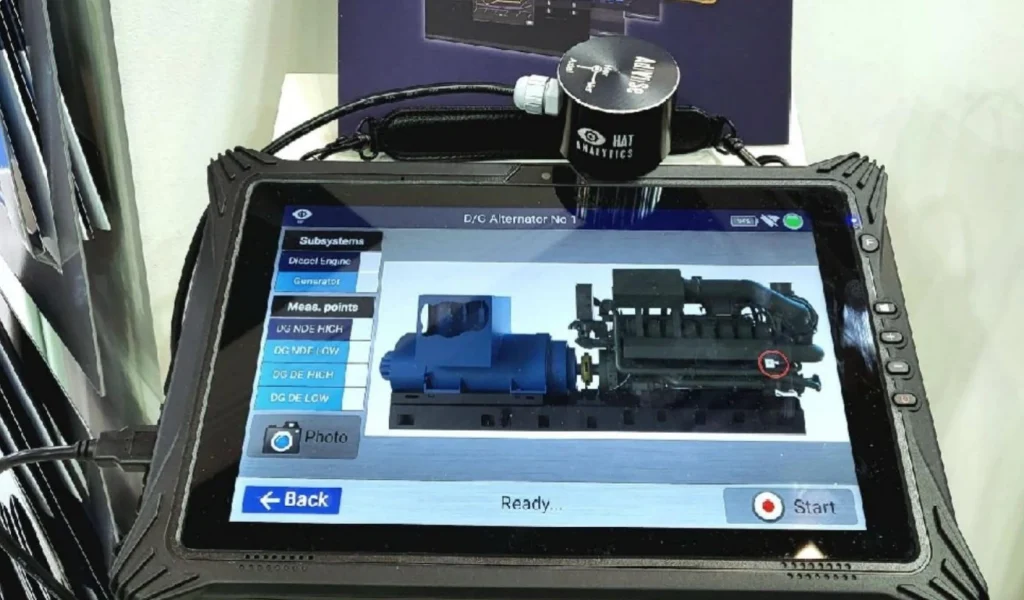
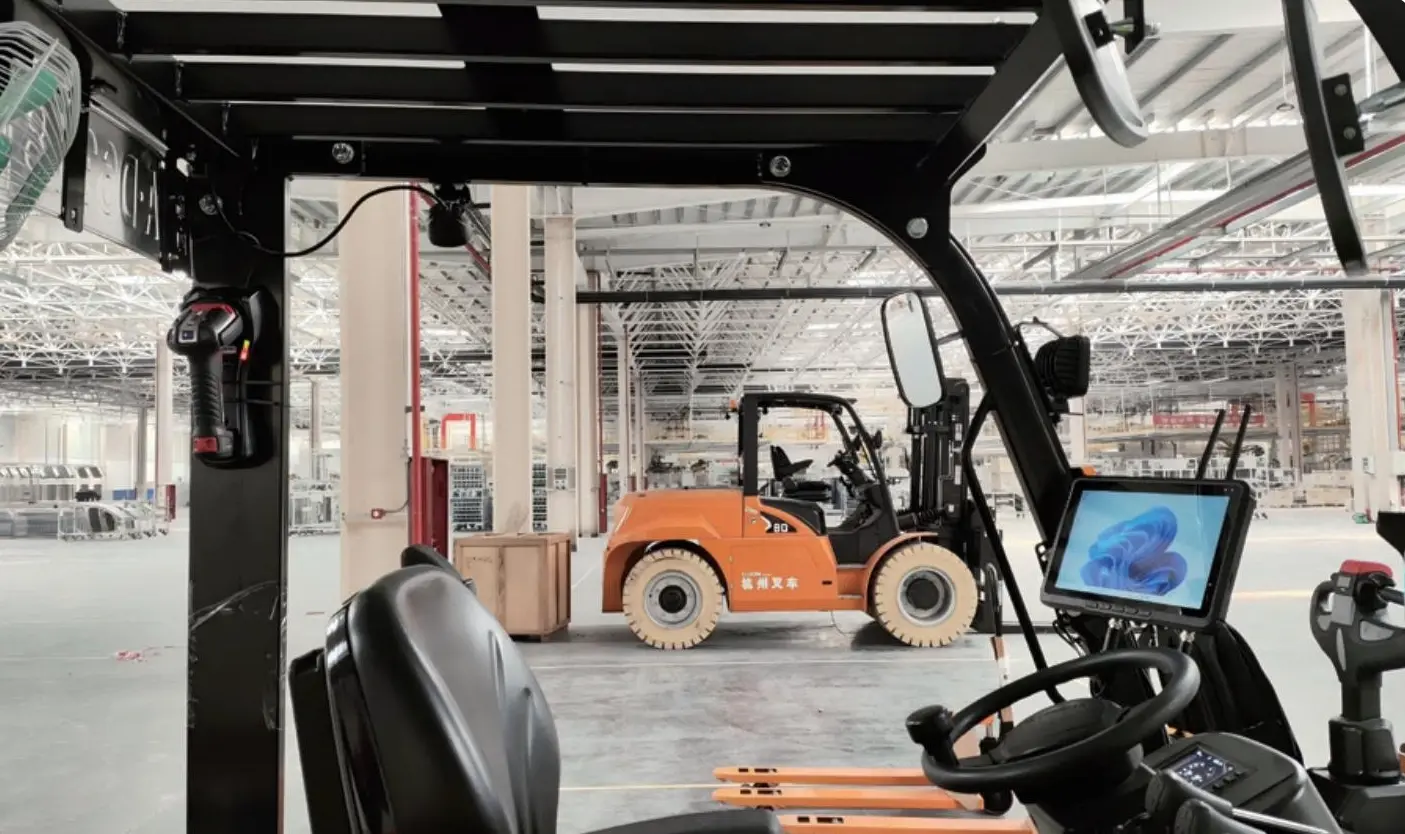
The company standardised on the TERVEX V10J, a 10.1-inch Windows vehicle-mounted PC fixed to the forklifts with a car-mount clamp.
Challenge: A New Plant Needed an Intelligent, Reliable Forklift Solution
The customer was accelerating the layout of a new factory and seeking a warehousing forklift solution that integrated intelligence, high efficiency and high reliability.
In a new plant there is no established practice to fall back on: the terminal has to connect to both the warehouse management system and the ERP system from the start.
Solution: V10J Vehicle PCs Integrated With WMS and ERP
The V10J is fixed to the forklift through a car-mount clamp and deeply integrated with the warehouse management system and the ERP system, so operators receive task instructions and view the status of goods in real time.
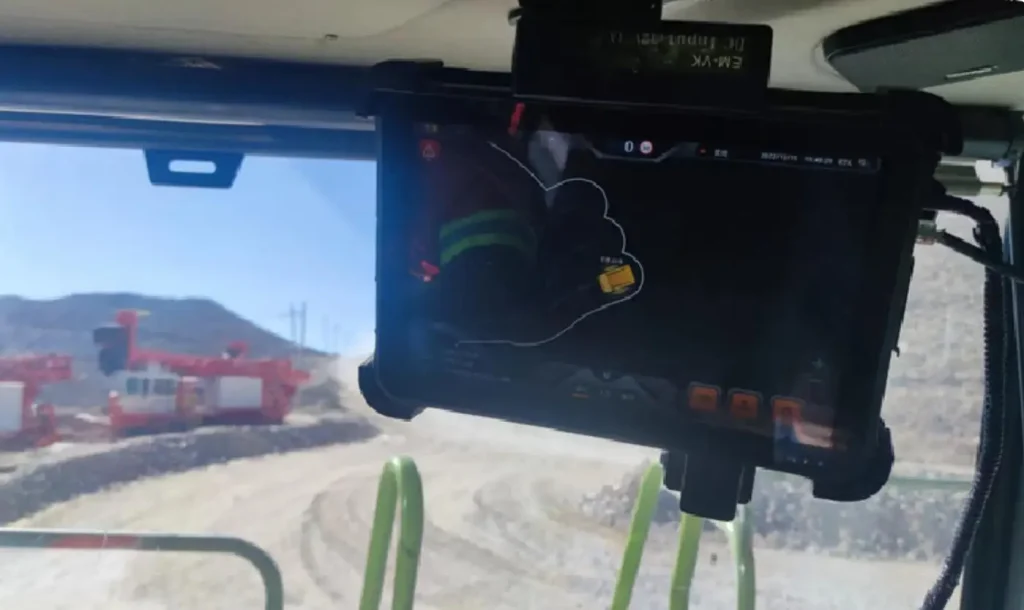
The built-in GPS function accurately locates the storage position of goods and plans the optimal transport route; forklift operators can check the precise path at any time.
Combined with industrial barcode scanners, forklift operators scan cargo labels quickly to ensure accurate identification and tracking during loading and unloading.
Real-time upload of goods information to the system through the wireless network greatly improves the transparency and accuracy of inventory management.
Because the forklift terminal is integrated with the ERP system as well as the warehouse management system, the instruction the operator sees is the same order the plant planned from, so nothing has to be reconciled between two screens.
Results: Shorter Task Cycles and Higher Inventory Data Accuracy
Forklift operators receive task instructions and optimal path planning in real time, significantly reducing task completion time and making the loading and unloading process smoother.
Logistics operators and managers can follow the dynamics of goods at any time, reducing information lag and management blind spots.
Every step in the transport of goods is accurately recorded and uploaded to the system, greatly improving the speed and accuracy of inventory data updates.