
All Blog
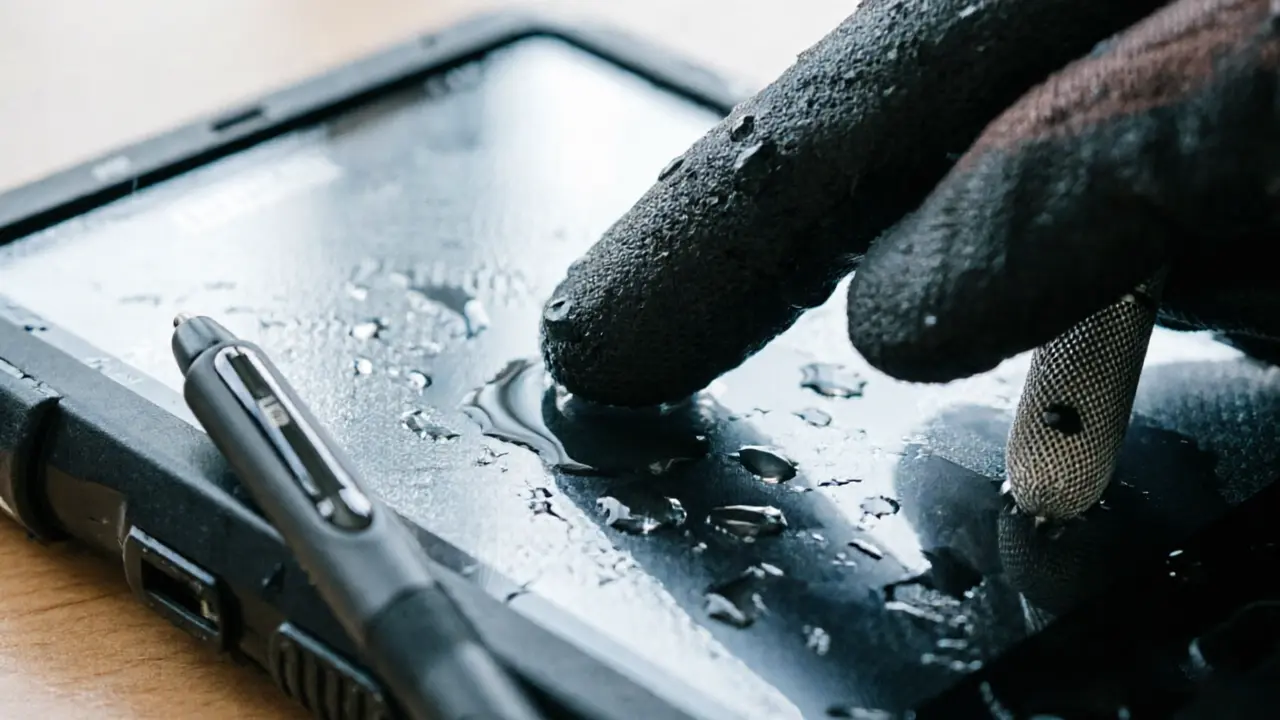
Glove, Wet & Pen Input on Rugged Devices: Touch Solutions Explained
A waterproof rugged tablet is useless if the screen ignores your gloved hand in the rain. Learn how capacitive, resistive, glove-mode and active-pen touch actually work — and how to test them before you buy.
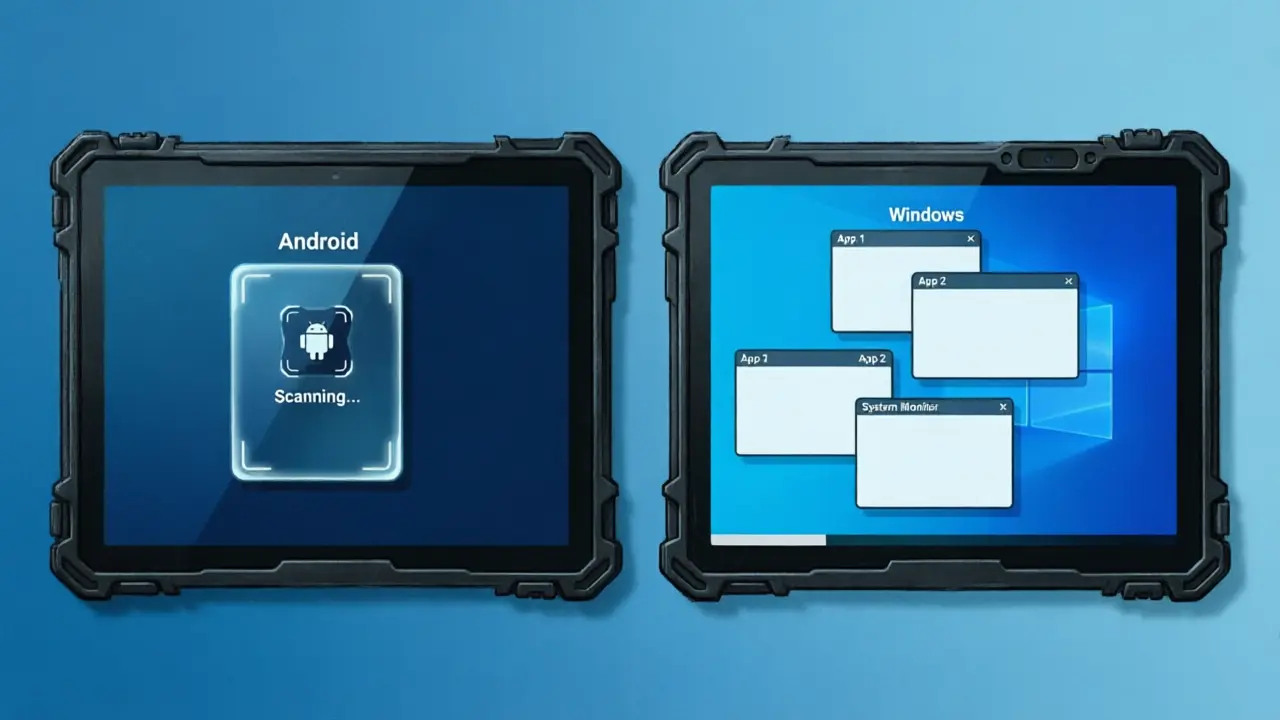
Android vs Windows for Rugged Tablets & Handhelds: A Buyer’s Framework
Android or Windows for your rugged fleet? Compare app ecosystem, lifecycle, management, peripherals and licensing — and use a six-question framework to decide.

Sunlight-Readable Displays Explained: Brightness, Bonding & Polarizers
“Readable in sunlight” is the most over-claimed display spec in rugged computing. Learn how nits, optical bonding, anti-reflective coatings and polarization actually work — and how to test a screen outdoors.
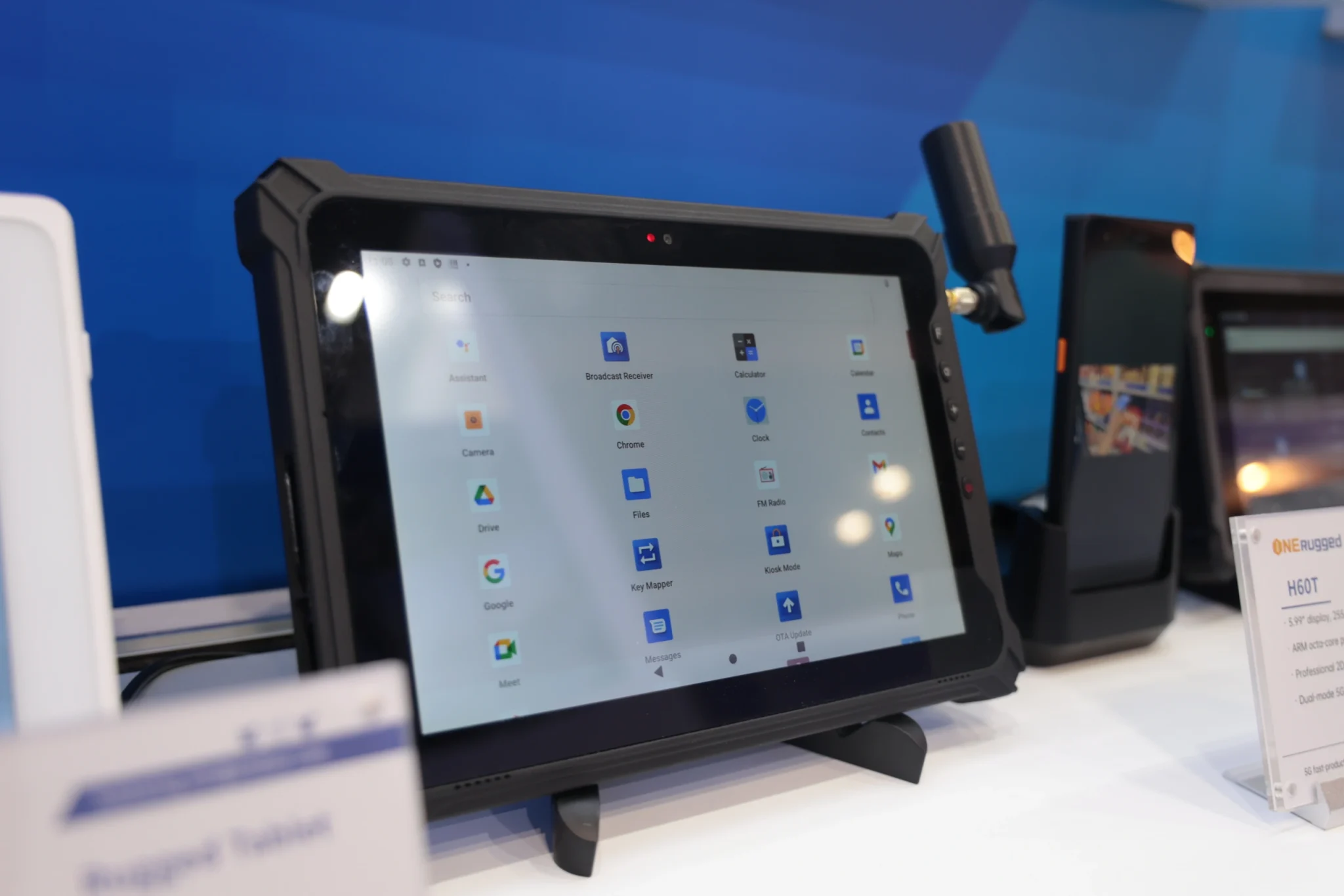
Rugged Tablet vs Consumer Tablet: Where Your Money Actually Goes
Why does a rugged tablet cost two to five times more than a consumer tablet? Compare design, displays, batteries, lifecycle and total cost of ownership — and learn when rugged really pays for itself.
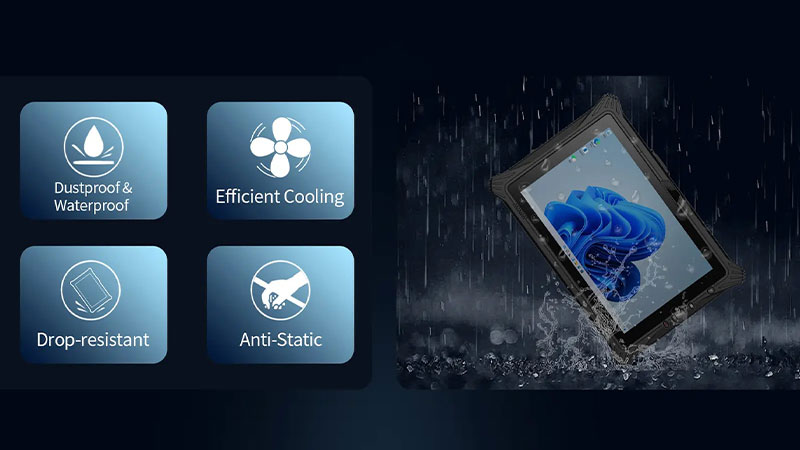
MIL-STD-810H Explained: How to Read a Rugged Device’s Drop, Vibration and Temperature Specs
What does MIL-STD-810H really mean on a rugged tablet or handheld? Learn how to decode drop, vibration and temperature specs, which test methods matter most, and the questions to ask your supplier before you buy.
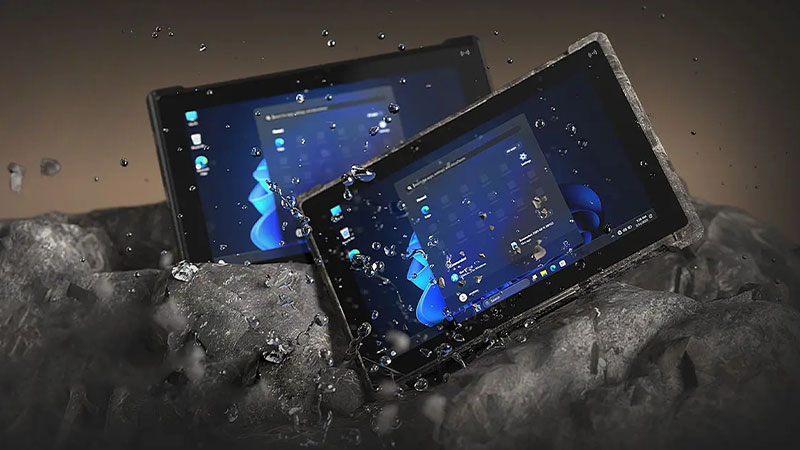
IP65 vs IP67 vs IP68 Explained: Choosing the Right Rugged Device for Dust and Water Protection
What do IP ratings really mean for rugged tablets, handhelds and laptops? Learn the difference between IP65, IP67 and IP68, how devices are tested, and how to pick the right protection level for your work environment.